𝟡𝟘𝟘𝟘 𝕚ℙ𝕙𝕠𝕟𝕖 𝟙𝟙 𝕗𝕠𝕣 𝕗𝕣𝕖𝕖 𝕚𝕟 𝔸𝕦𝕤𝕥𝕣𝕒𝕝𝕚𝕒!🇦🇺𝔻𝕠𝕟'𝕥 𝕞𝕚𝕤𝕤 𝕥𝕙𝕖 𝕠𝕡𝕡𝕠𝕣𝕥𝕦𝕟𝕚𝕥𝕪 𝕥𝕠 𝕓𝕦𝕪 𝕒 𝕤𝕞𝕒𝕣𝕥𝕡𝕙𝕠𝕟𝕖 𝕗𝕠𝕣 𝕗𝕣𝕖𝕖!🔥

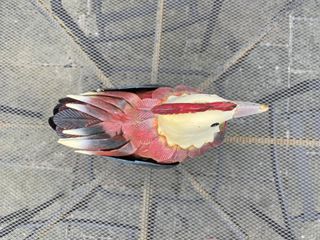
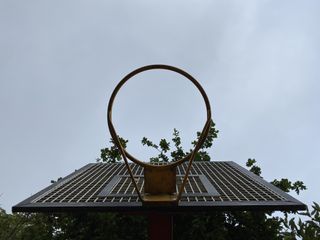
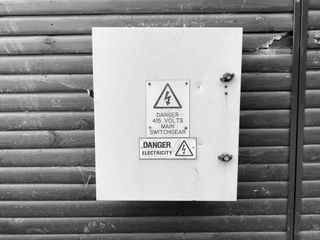
We saw in a demo how the iPhone 11 would be able to take a shot using the standard lens, but during our testing could not work out how to get access to the wider shot that’s supposed to be taken at the same time, so you can change the composition post snap.

 (Image credit: TechRadar)

 (Image credit: TechRadar)
 (Image credit: TechRadar)
We activated all the right settings but making the picture wide after taking it is not something that’s going to be easy to do for most.
(Side note: iOS 13 brings a feature we've been after for a long time: the capability to change the aspect ratio when you're snapping. You can choose square, 16:9 alongside the 4:3 standard image. However no matter the ratio chosen, it's still a 4:3 image on the phone.)
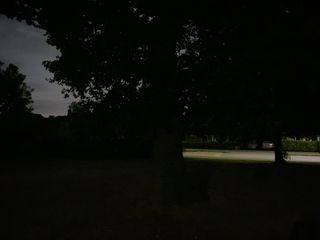
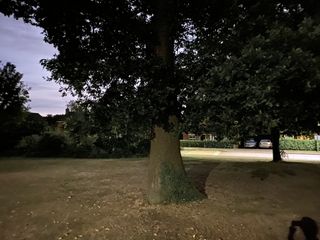
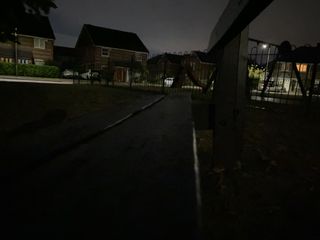
Let’s talk about something that does work well – the low-light performance. Historically Apple’s iPhone cameras have never been great here, but with its improved AI smarts the iPhone 11 is capable of rendering some amazing night snaps.
Whether you’re in a sort-of-dark situation, or focusing a tripod-mounted phone at the night sky, there’s a setting that enables you to make what would normally be a badly-lit photo look as clear as… well not quite as clear as day, but wonderfully bright.
This works by the iPhone 11 automatically telling you to hold the handset steady for 2-5 seconds so that the shutter can stay open for longer; the phone then captures a number of photos at different exposures and sharpness levels, before merging the data to produce the very best photo possible.
If you’ve braced or mounted the phone securely, the capture time can be extended to up to 30 seconds – this is only really necessary if you’re going to be taking photos of the night sky, and for general night shots we saw very little difference between the brightness of photos taken over 5 seconds and 30 seconds.
 (Image credit: TechRadar)
 (Image credit: TechRadar)
 (Image credit: TechRadar)
 (Image credit: TechRadar)
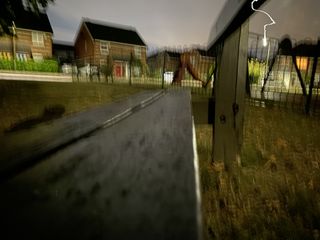
The results are startling, elevating Apple to the level of Huawei, Samsung and Google when it comes to taking low-light and night photos – and in some ways enabling it to surpass its rivals. Night mode can make photos shot at 1am look as if they were taken in late afternoon, and if you can get your subjects to remain still, you’ll take great snaps.
However, try to photograph a scene that includes motion – people dancing at a concert, for instance – and it’s a world of blur. You’ll need to manually turn off night mode, and that’s a little bit of a nuisance when you’re trying to get a quick snap.
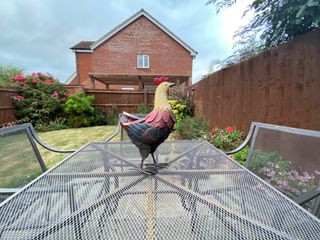
Talking of speed, there’s a nice new feature added to iOS 13 whereby pressing and holding on the shutter button will allow you to take a quick video, Instagram-style, instead of burst mode photos (you can still do this by sliding your finger left; if you slide right instead recording will be locked, allowing you to take your finger off the shutter button to adjust exposure and zoom).
 (Image credit: TechRadar)
 (Image credit: TechRadar)
 (Image credit: TechRadar)
 (Image credit: TechRadar)
This is a nice feature that’s going to appeal to those who want to share video clips to social media with ease. You don’t get the same low-light capabilities for video (more on that in a moment), but it’s smooth and defaults to the settings you’ve already set, so you can be shooting high-end 4K footage in a matter of seconds.
We did notice on occasion that the iPhone 11 would show a black screen when we fired up the camera, meaning we would need to flick into another mode (like video or slow-mo) to jolt the viewfinder into showing something. We’ll keep an eye on this, as it’s likely something that will be fixed soon via an update, but it seems like a bug when starting the camera app.