𝟡𝟘𝟘𝟘 𝕚ℙ𝕙𝕠𝕟𝕖 𝟙𝟙 𝕗𝕠𝕣 𝕗𝕣𝕖𝕖 𝕚𝕟 𝔸𝕦𝕤𝕥𝕣𝕒𝕝𝕚𝕒!🇦🇺𝔻𝕠𝕟'𝕥 𝕞𝕚𝕤𝕤 𝕥𝕙𝕖 𝕠𝕡𝕡𝕠𝕣𝕥𝕦𝕟𝕚𝕥𝕪 𝕥𝕠 𝕓𝕦𝕪 𝕒 𝕤𝕞𝕒𝕣𝕥𝕡𝕙𝕠𝕟𝕖 𝕗𝕠𝕣 𝕗𝕣𝕖𝕖!🔥

Camera
This isn’t something we normally do, but we’re going to get right to the simple fact that the iPhone 11 camera is easily the standout feature on this handset.
Apple has doubled the number of lenses on offer here: where the iPhone XR had one, porthole-like sensor on the rear, things are much more grandiose for 2019, with a whole window on the rear containing two 12MP sensors.
Apple’s clearly going for an iconic and uniform look with the iPhone 11 range, with the Pro and Pro Max packing the same square lens bump on the rear.
It takes some getting used to, almost to the point of it being too obtrusive visually, with your fingers playing across it far more when you’re holding the iPhone in landscape, but it actually isn’t as obtrusive as the bump on 2018’s iPhone, thanks to being ‘layered’ up from the back – the glass housing around the lenses is raised a small amount from the rear glass, and the sensors themselves a little more.
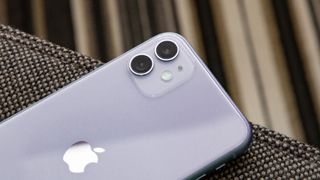
It’s a wide-angle array – that’s to say you get the ‘regular’ camera you’ll find on every phone, plus an ultra-wide-angle lens that brings more of the scene you’re shooting into the frame.
It’s a setup that’s pretty easy to use: a toggle at the bottom of the camera interface enables you to move between focal length, and you can hold this down to activate a scroll wheel with which you can more smoothly zoom in and out.
There’s a slight judder when transitioning between the two cameras, and if you look closely you can see there’s a difference in the light sensitivity of the two sensors as well in the preview.
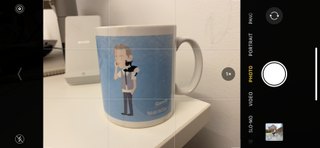
The overall output is quite different - you’ll get a far darker photo when zoomed out, so we’d suggest only using the further-out sensor in a strong, bright scene and relying on night mode for the rest of the time.
One thing that’s supposed to be simple is fixing your too-narrow photos when you could be using the ultra-wide lens.