𝟵𝟬𝟬𝟬 𝗶𝗣𝗵𝗼𝗻𝗲 𝟭𝟭 𝗳𝗼𝗿 𝗳𝗿𝗲𝗲 𝗶𝗻 𝗨𝗞! 🇬🇧 𝗗𝗼𝗻’𝘁 𝗺𝗶𝘀𝘀 𝘁𝗵𝗲 𝗼𝗽𝗽𝗼𝗿𝘁𝘂𝗻𝗶𝘁𝘆 𝘁𝗼 𝗴𝗲𝘁 𝗮 𝘀𝗺𝗮𝗿𝘁𝗽𝗵𝗼𝗻𝗲 𝗳𝗼𝗿 𝗳𝗿𝗲𝗲!🔥

What is the best phone camera in 2019?
To cut to our quick conclusions, we found the Google Pixel 4 (from £669) to be our recommended all-rounder of the five phones, our pick for low-light photography and thus the best phone camera, according to our pro photographer. None of these phones came out top in all areas, but Google’s latest does reach some impressive heights.
However, our iPhone 11 Pro (from £1,049) testing was the most striking. It was arguably the weakest in controlled conditions, but tends to produce consistently eyeball-pleasing results out on the street. It's the best phone camera for street photography.
Apple iPhone 11 Pro
Apple's eye view is stylised and works on the street
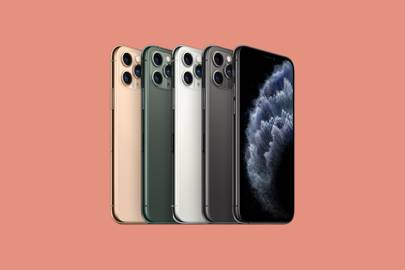
Main camera: 12MP | Aperture: f/1.8 | OIS: Yes (dual)
Telephoto: 12MP | Aperture: f/2.0 | OIS: Yes | Zoom: 2x optical
Ultra-wide: 12MP | Aperture: f/2.4 | OIS: No | FOV: 120°
iPhones are usually considered to be less processing-heavy than other phones, in part because they don’t tend to use egregious over-sharpening, the simplest kind of processing to identify. However, the iPhone 11 Pro (from £1,049) guides the contrast and colour of its images with a heavier hand than any of the other Androids.
“They’ve upped the contrast to give the illusion of sharpness.” Scheinberg says of the iPhone’s studio shoot image as we looked over the photos on a colorimeter-calibrated MacBook. “This is quite intense, there’s so much processing.”
This isn’t the kind of processing that leaves objects with a white crust of sharpening, or textures with a wholly unrealistic watercolour-like effect, though. iPhone 11 Pro images look stylised, punchy and “ready to post”. But Apple makes certain choices for you, and it blocks off others, if you’re the kind of photographer who edits images after taking them. Our iPhone studio shots also had an unwanted greenish wash to them.
Many people don’t want to edit their shots, though, and even more won’t realise the extent to which an image can be salvaged or improved by editing, using phone apps let alone Photoshop. And an iPhone avoids you trashing photos because they don’t look good at first glance.
Shooting our dog model against a brick wall demonstrated this most clearly. The Androids’ images all look slightly anaemic next to the iPhone’s. It brought out the orange-auburn patches of the little chap’s markings, and kept the dark areas looking dark more successfully than any other. The result is a much richer looking image that appears to have greater depth, warmth and clarity.
You can bring this back to the other phones’ images in the edit, but with an iPhone you don’t have to. And that’s important. “It’s like it just does the work for you,” says Scheinberg.